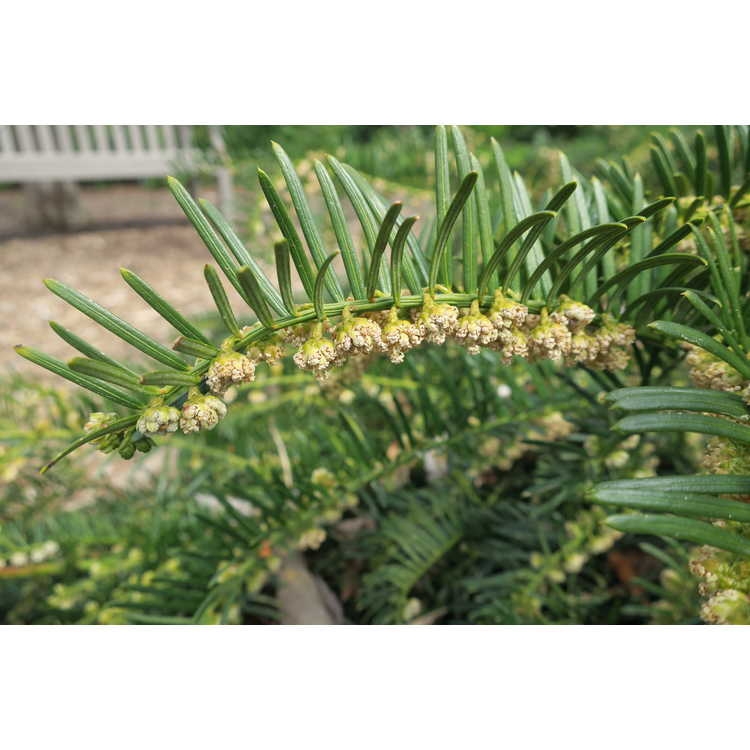
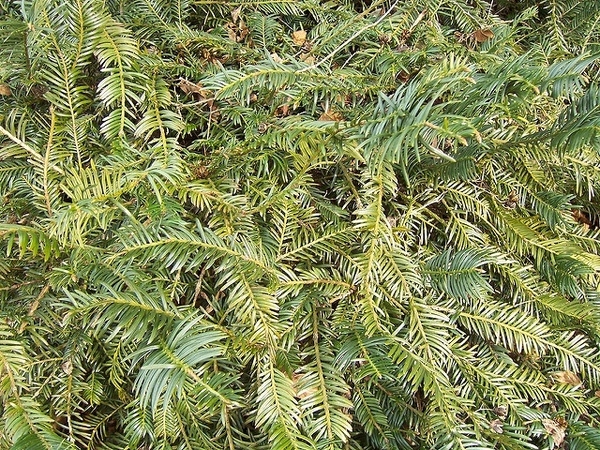
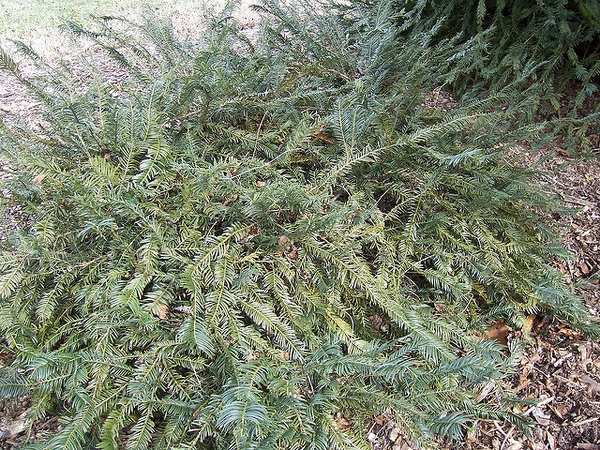
The Japanese plum-yew is an evergreen, needled shrub or small tree in the yew family Taxaceae. The cultivar ‘Prostrata’ has a low-growing spreading mounding habit. Its name is derived from the Greek words kaphale and taxus, meaning “head” and “yew,” respectively, about the hard, round seeds.
This plant prefers moist, well-drained soil but tolerates dry, sandy, or clay soil. If you have cool summers, plant it in full sun. It is ideal for the southeastern United States, as it tolerates the summer heat and humidity, unlike other yews.
Once established, this plant is drought-tolerant and deer-resistant. ‘Prostrata’ grows very slowly to 2 to 6 feet tall and wide.
Source: plants.ces.ncsu.edu
Photos:
JC-Railston-Arboretum-NCSU
plants.ces.ncsu.edu